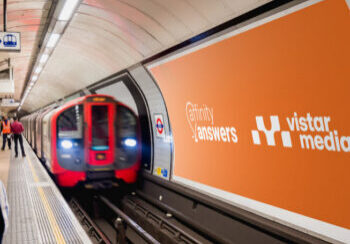
Purchase Intent > Past Purchase
Purchase History
isn’t as powerful as
Purchase Intent

Yeah. We said it. Because it is true.
One of the biggest assumptions in marketing
is that past purchases are the best predictor of future behavior.

That’s only true when there is brand loyalty, but that is no longer the case.
- 62% of Gen Z consumers say they check other options even if they already have a favorite brand
- More than half would switch brands for better quality or price
- The article frames Gen Z as inherently exploratory rather than traditionally loyal
Sometimes the strongest signal of what someone will buy next isn’t what they purchased last month.
It’s what they’ve started paying attention to.
That idea sits at the center of Affinity Verified Data.
By combining online behavioral data with verified social engagement across platforms like TikTok, Reddit, Instagram, Facebook, and X, Affinity Answers helps brands identify emerging interest, brand affinity, and future purchase intent before it fully materializes.
And increasingly,
the performance data is proving it.
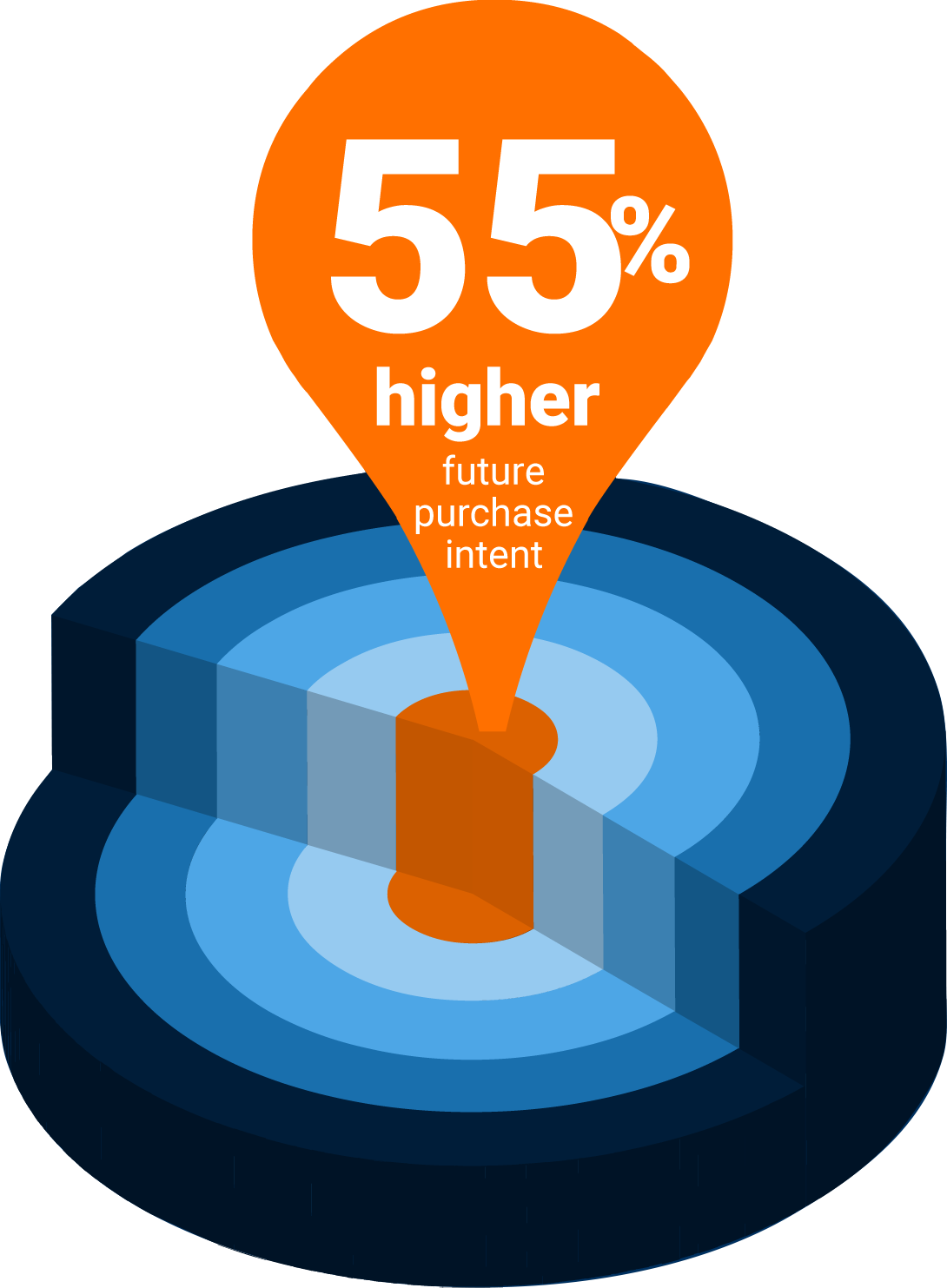
In a study conducted alongside Lucid Audience Measurement, Affinity Answers audiences identified future purchase intent 55% more effectively than a leading prior-purchase based provider.
That’s not a small optimization.
That’s a fundamentally different way of understanding audiences.
And it shows up everywhere:


And when you start targeting future behavior instead of past behavior, interesting things happen.
- 55% stronger future purchase prediction than leading purchase-based providers
- 3x conversion rates for cause marketing campaigns
- 187% improvements in qualified leads
- Higher VCRs, stronger CTRs, lower CPCs, and measurable lift across categories from QSR to Gaming to Beauty
Let’s look at a few of them.
Gaming:
Conquesting Works Better When You Understand Fandom
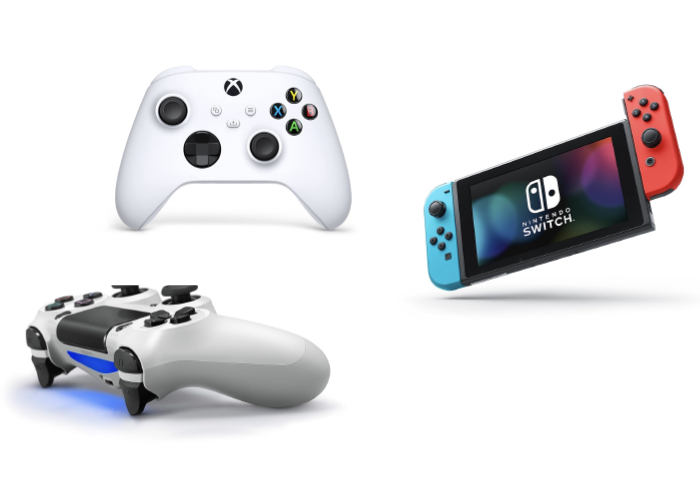
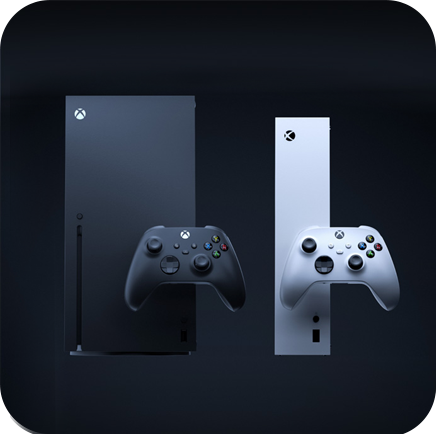
A gaming console brand wanted to steal share from PlayStation during the holiday season.
Affinity Answers built conquest audiences targeting users already engaging with PlayStation content and communities — but whose broader behavioral patterns suggested openness toward competing platforms.
After the campaign, Nielsen Vizu measured purchase consideration.
The Exposed Audience Was
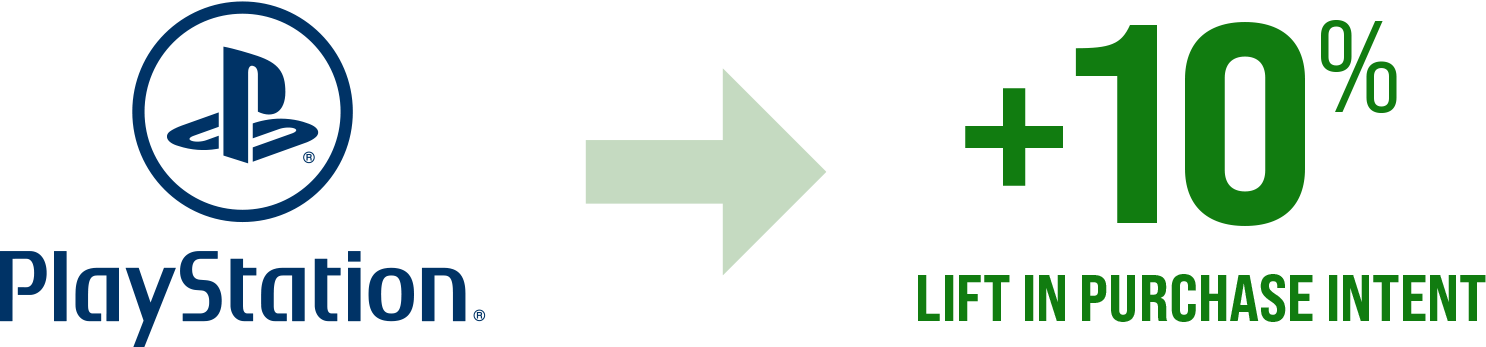
10% more likely to purchase the competing gaming console in the next three months.
Sometimes they switch because they’re simply curious.
And curiosity leaves signals everywhere.
QSR:
Loyalty Isn’t Fixed Anymore
Quick-service restaurants used to think in terms of loyalists.
Now they think in terms of occasions.
Dunkin’ wanted to identify:
- likely switchers
- exploratory consumers
- audiences open to trying something new
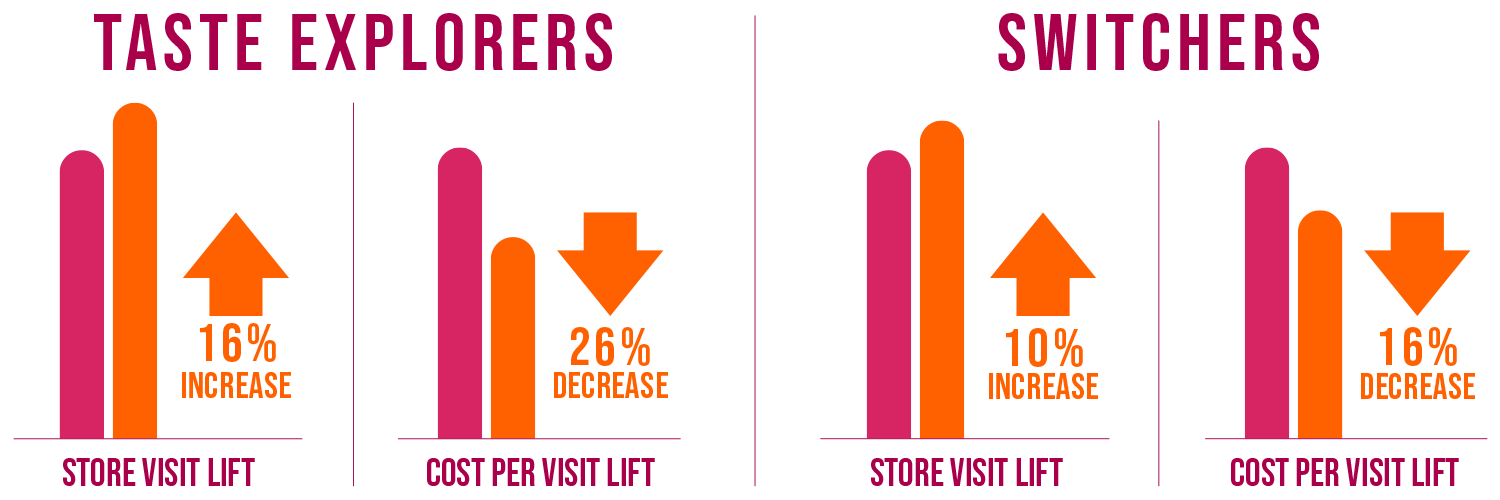
Using social engagement signals across food, entertainment, technology, and lifestyle behaviors, Affinity Answers built custom audiences around “Taste Explorers” and competitive switchers.
The Campaign Generated
Because people don’t always switch brands due to price.
Sometimes they switch because they’re simply curious.
And curiosity leaves signals everywhere.

Beauty:
Culture Drives Commerce
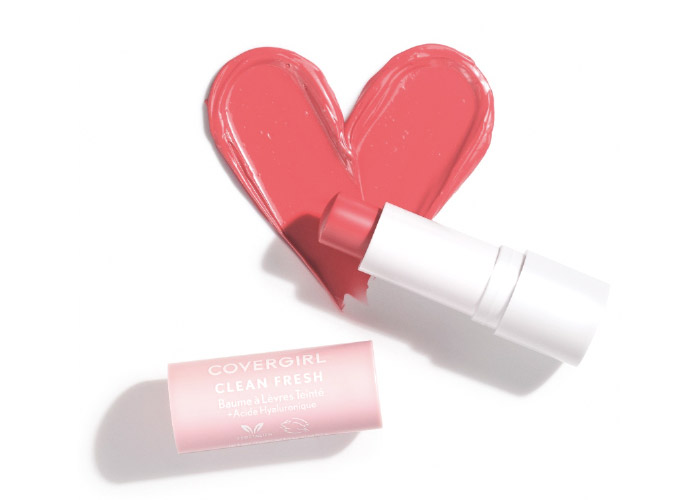
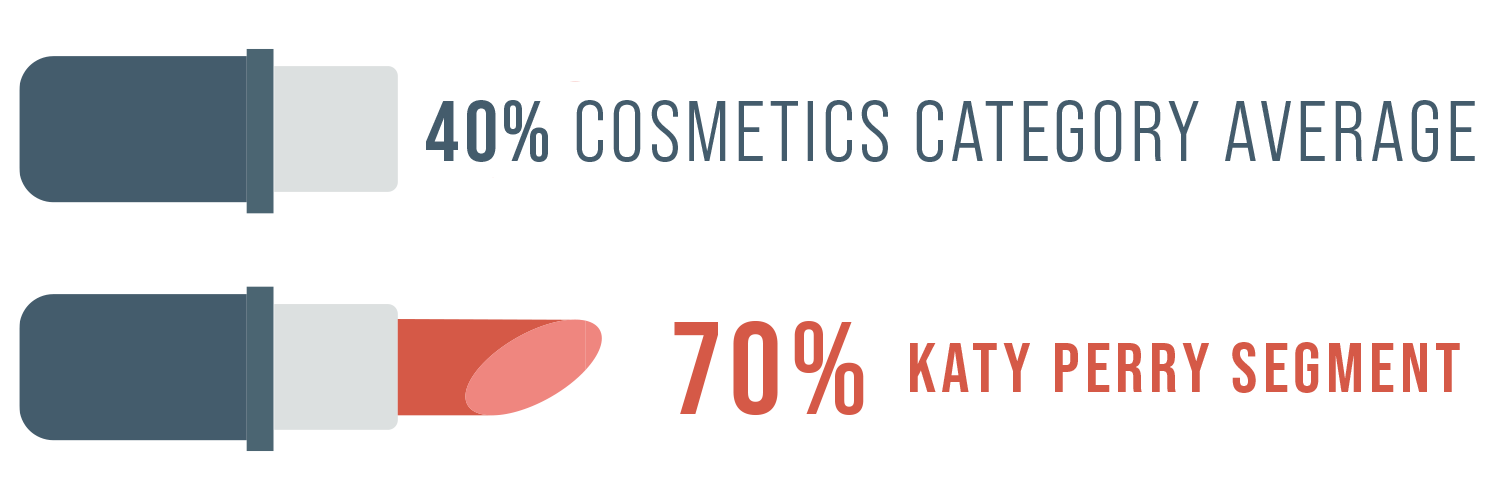
Using the TrueAffinity Social Graph, Affinity Answers identified the overlap between Katy Perry fans and consumers already showing affinity toward the cosmetics category.
Results
Even more interesting
Katy Perry fans became twice as likely to engage with CoverGirl socially after the campaign launched.
That’s the difference between celebrity placement and cultural relevance.
One rents attention. The other creates participation.

Travel:
Better Audiences Travel Further
Affinity Answers partnered with Neutronian and Causal IQ to test whether higher-quality affinity audiences could actually outperform traditional third-party segments in-market.
The methodology was straightforward:
- Parallel campaign structures
- Same media environments
- Different audience inputs
Affinity Verified Data Audiences Delivered
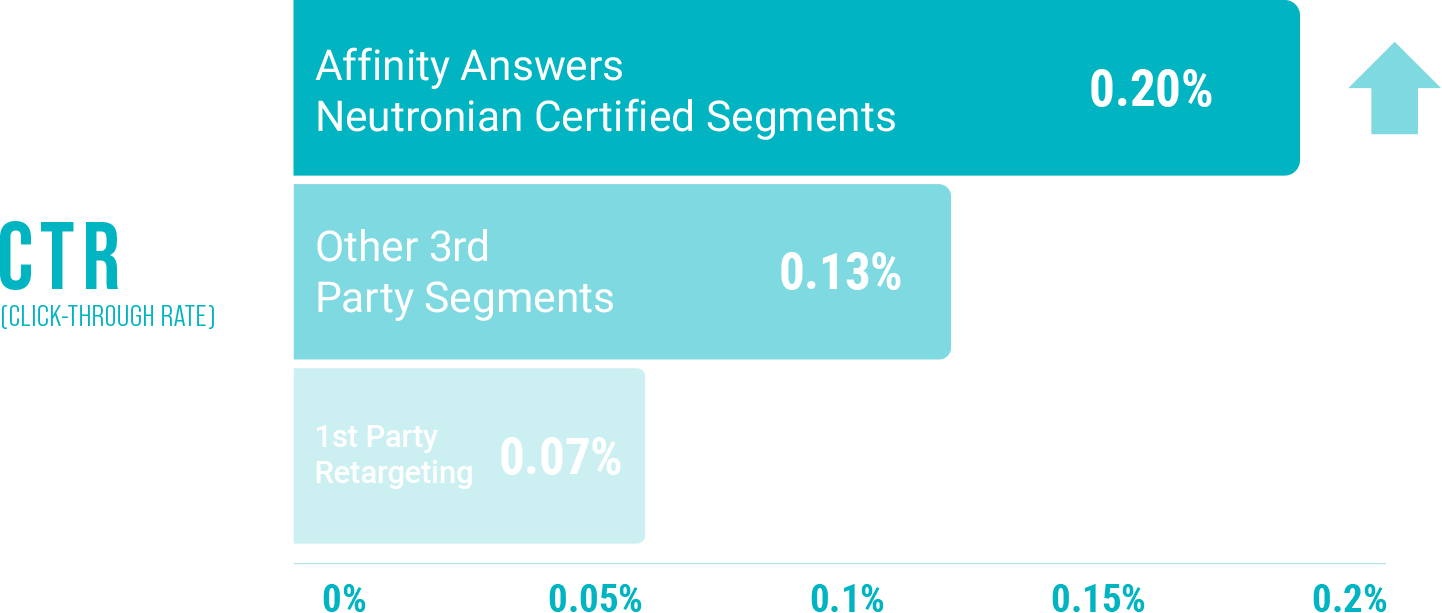
That second number matters.
Because retargeting has been treated as the gold standard for years. But retargeting mostly talks to people already halfway through the funnel.
Discover the power of Data-Driven Insights
with Affinity Answers
Schedule a demo today and see how our data can transform the way you go to market.
Related Posts

The Sports Calendar is About to Get Loud

Affinity Answers Just Became Un-Skippable